Light that feels gentle
Use layered lighting: a warm bedside lamp for evenings, and brighter task light only where needed. Keep cables simple and easy to tidy.

Comfort cue
One soft throw and one structured blanket creates a flexible layering system.
Organisation cue
Keep surfaces to a few essentials to reduce visual clutter at night.
Real-home approach
Inspiration here is designed to work with normal storage limits, shared spaces, and typical Irish weather changes across the year.
Minimalist design does not mean empty. In a bedroom, a calm aesthetic is often the result of simple decisions repeated consistently: fewer categories of items, softer contrasts, and storage that makes daily reset easy. Start by choosing a base palette that feels warm and restful, then add texture with bedding layers rather than many decorative objects. Where possible, keep the floor clear and define a small number of zones: sleeping, dressing, and storing.
When you treat textiles as part of the room system, not just decoration, the space becomes easier to live with. Think about how your duvet cover feels, how quickly it dries, and whether your pillowcases suit your routine. Comfort is also about reducing small daily frictions, such as missing storage for throws or unclear laundry sorting. A good bedroom setup is one you can maintain on a normal week.
Use layered lighting: a warm bedside lamp for evenings, and brighter task light only where needed. Keep cables simple and easy to tidy.
Create interest through textiles: one crisp base layer, one soft layer, and one optional warmth layer. Keep patterns quiet and repeated.
Give every category a home: spare pillowcases, throws, and seasonal layers. A small lidded basket can reduce visual noise.
Choose bedding materials and layering that suit your room temperature. Focus on how fabrics feel across a full night, not just at bedtime.
Want a structured checklist?
Our guides break ideas into small steps you can apply in order.
These ideas are written to be flexible. Try one area at a time: bedside setup, bedding layers, wardrobe flow, or laundry planning. Each concept is designed to reduce the effort it takes to keep the bedroom calm across an ordinary week.
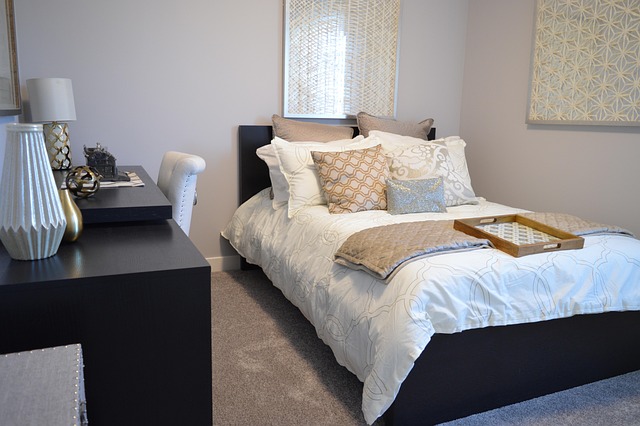
Limit your bedside to two functional surfaces: the top for evening essentials and a small tray or drawer for items that otherwise drift. Aim for a lamp, a glass, and one calming item such as a book. This keeps nighttime cues consistent and reduces last-minute tidying.
Try this
Choose one tray that fits your table. Everything small goes there, not across the surface.

Build comfort with three layers: a breathable base (sheet), a main layer (duvet), and one adjustable layer (blanket or throw). This makes it easier to adapt to seasonal temperature changes without replacing everything. Keep the colour palette soft for a calmer visual feel.
Try this
Store the extra layer within reach so it is usable, not hidden away.

The bedroom often feels messy because clothing has no clear route. Create a simple flow with three zones: worn again, laundry, and put away. A small hook rail or chair can be helpful if it stays within one boundary. The key is clarity, not perfection.
Try this
Use one basket for laundry and one for “wear again” items. Nothing goes on the floor.
A sleep-friendly bedroom is supported by a consistent wind-down pattern. This is not about strict rules. It is about repeating small cues that signal the end of the day: a tidy surface, softer lighting, and comfortable textiles that feel pleasant against the skin. When the bedroom is set up for quick reset, routines become easier to keep.
Consider building a short routine that fits your life: a five-minute reset, a comfort check, and a simple “tomorrow” step that reduces morning stress. The goal is to feel settled, not to perform a perfect routine every night. If you want more context on materials and care, our textile section explains how fabrics behave and how to keep bedding comfortable over time.
Reset
Clear the bedside, fold the throw, and set one glass of water.
Soften
Switch to warm light and reduce screen brightness where possible.
Comfort
Adjust layers, choose a pillow height that feels neutral, and ventilate briefly if needed.
Textile care supports comfort
Learn how washing, drying, and storage influence feel over time.
A quick reminder
Inspiration is educational and general. If you are making significant changes to your sleep environment, start small and notice what feels comfortable and sustainable for your household.
If you want help turning inspiration into a simple plan, our workshops focus on practical steps: setting up a bedding layering system, building a textile care routine, and creating storage that supports a calm nightly reset. Sessions are educational and designed to fit everyday life, without pressure or sales language.