Skip to content
Clear answers for everyday comfort choices

FAQ

This page gathers common questions about bedding materials, pillow and blanket comfort, textile maintenance, and calm bedroom organisation. We keep answers practical, product-agnostic, and focused on what you can apply at home.

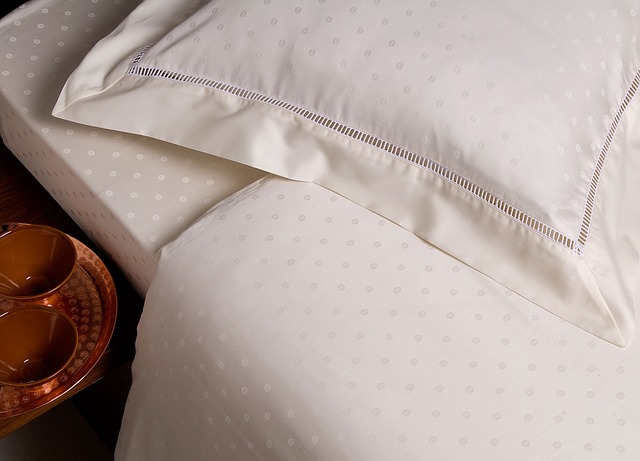
cozy neutral bedroom corner with folded blankets and natural textile textures

How to use this FAQ

Start with materials and care if you are comparing bedding. If your main concern is comfort feel, look at the pillow, blanket, and layering questions. For room setup, check the bedroom environment section.

Materials and fabric feel

Fabric language can be confusing because similar words can describe different things. For bedding, it helps to separate fibre content from weave. Fibre content tells you what the fabric is made from, such as cotton or linen. Weave tells you how the yarns are structured, which influences texture, drape, and how the surface feels against skin.

The questions below focus on practical comparisons and what to look for on labels. They are not about luxury signals. The goal is to help you choose bedding that suits your home temperature, washing habits, and preference for crisp or smooth textures.

What is the difference between satin and cotton percale?
Satin and percale describe weave, not fibre. Satin weave tends to feel smoother and more fluid, with a gentle sheen. Percale is a plain weave that often feels crisp and structured. Both can be made from cotton. In everyday use, percale can feel cooler to the touch, while satin can feel softer and more drapey. Care instructions still matter, since finishing, weight, and yarn quality can change how either fabric performs.
Is higher thread count always better?
Not always. Thread count is one indicator, but it does not capture fibre quality, yarn thickness, weave, or finishing. Some very high numbers can be achieved by using multi-ply yarns, which can inflate the count without guaranteeing a better feel. A practical approach is to prioritise fibre content, weave type, and how the fabric feels in your hand, then use thread count as a secondary reference rather than a deciding factor.
What does GSM mean for bedding and blankets?
GSM stands for grams per square metre and is a way to describe fabric weight. A higher GSM typically means a heavier textile, which can affect warmth, drape, and how the fabric hangs. For towels and throws it can be a helpful comparison. For bedding sheets, weight matters too, but weave and fibre still strongly influence breathability and feel. GSM is most useful when comparing similar items within the same category.
Are blended fabrics a bad choice for everyday use?
Blends can be practical. A cotton blend may reduce creasing, dry faster, or improve durability. The trade-off is that blends can feel different against the skin and may hold static more easily depending on the fibres used. If you are sensitive to texture, try to feel the fabric in person and check the care label. For long-term comfort, choose what suits your routine and preference, not a single rule.

Pillows, blankets, and layering

Comfort is often a combination of support and temperature feel. A pillow that feels good at first can become uncomfortable if it is too high, too low, or loses shape. Blankets and duvets also change the overall feel of the bed because they affect weight, warmth, and how easily you can adjust during the night.

These questions focus on practical selection and setup. The emphasis is on matching materials and structure to your habits, your room conditions, and your preference for light layering or a more enveloping feel.

What does “ergonomic pillow” mean in everyday terms?
It usually means the pillow shape or fill is designed to support the head and neck in a specific position. In practice, look at height, firmness, and how well the pillow keeps its shape over time. Consider your sleep posture, shoulder width, and whether you change positions. A practical fit feels stable without forcing your head upward or letting it sink too low.
How do I choose between a duvet and layered blankets?
A duvet can feel simpler and more consistent, while layered blankets let you adjust warmth more easily. If your room temperature varies, layering is often practical because you can remove a throw or add a light blanket without changing the whole setup. Pay attention to weight and breathability. A lighter layer system can also make bed-making easier and improve flexibility across seasons.
Why does my pillow lose its shape quickly?
Shape loss can be linked to fill type, fill amount, and how the pillow is used and cared for. Some fills compress faster than others. Moisture, frequent folding, and sleeping in the same spot can also affect loft. Practical steps include using a breathable protector, airing the pillow, fluffing it regularly, and following the care label for washing and drying if the pillow is washable.
Is a heavier blanket better for comfort?
Some people enjoy the settled feel of extra weight, while others prefer lighter layers that move easily. There is no universal best option. If you are exploring heavier bedding, think about temperature management, ease of washing, and whether the weight feels comfortable when you change positions. A simple way to test is to add a medium-weight throw on top of your usual bedding for a few nights and observe how it feels.

Bedroom environment and organisation

A calm bedroom is usually built from small, repeatable habits rather than a full makeover. The most helpful changes tend to be simple: reduce clutter, manage light, keep bedding easy to refresh, and create a consistent place for everyday items so the room feels settled at night.

These questions focus on practical comfort cues, storage, and routines. We keep it minimalist and realistic, with ideas that can work in apartments, shared homes, and family spaces.

What are the first steps to make a bedroom feel calmer?
Start with three basics: clear one surface (such as a bedside table), create a simple laundry and linen flow (basket and a storage spot for clean sets), and manage light with a practical approach (layer curtains if needed, or use a gentle lamp in the evening). These steps reduce visual noise and make the room easier to reset daily.
How can I store spare bedding without making it smell musty?
Store fully dry textiles in a breathable way when possible and avoid compressing damp items. If you use boxes, choose clean, dry storage and consider fabric bags. Rotate sets occasionally and air bedding when you change it. In Irish climates, airflow matters, so leaving textiles tightly sealed for long periods can trap moisture and odours.
What is a simple evening routine that supports a restful bedroom?
Keep it short and repeatable: soften the lighting, reset one surface, prepare the bed for the room temperature by adjusting layers, and place essentials in a consistent spot so you are not searching later. The goal is to reduce last-minute decisions. Many people find that a predictable setup makes the room feel more welcoming at night.
Do I need to redesign the whole room to improve comfort?
No. Comfort improvements often come from adjusting what you already have. Start with layout clarity, a practical bedding rotation, and a consistent storage plan. Small upgrades such as a better-fitting pillow height, a breathable sheet, or a clearer bedside zone can improve the feel of the room without a full redesign.

Textile care and maintenance

Textile care is a comfort skill. Clean, well-maintained bedding tends to feel better, last longer, and behave more predictably. A care routine does not need to be complicated. It is mainly about understanding labels, choosing sensible wash settings, and drying in a way that reduces stress on fibres.

The questions below cover common issues such as shrinkage, pilling, and washing frequency. The goal is practical: help you build a routine that fits your household, not an idealised standard.

How often should bedding be washed?
Many households choose a weekly or fortnightly rhythm based on season, daily use, and personal preference. The most important point is consistency and following care labels. If you want a simple baseline, start with one regular wash day and adjust based on what feels practical for your home and bedding rotation.
Why do sheets pill, and can it be reduced?
Pilling happens when loose fibres tangle due to friction. It can be influenced by fibre type, yarn quality, washing conditions, and contact with rough items. To reduce it, wash similar fabrics together, avoid overloading the machine, use gentler cycles when suitable, and keep zips and hooks closed. A fabric shaver can remove pills, but prevention tends to come from careful washing and matching textiles.
How can I reduce shrinkage risk when washing bedding?
Shrinkage risk is often linked to heat and agitation. Follow the care label, choose cooler wash settings when appropriate, and avoid very hot tumble drying unless the textile is designed for it. Removing bedding promptly from the dryer and smoothing it while warm can also help maintain shape and reduce creasing.
What is the best way to air and refresh bedding between washes?
A simple approach is to fold bedding back for a short period after getting up so moisture can evaporate, then make the bed. If weather allows, air blankets and duvets near an open window. Keep the routine gentle and consistent. Refreshing is not a substitute for washing, but it can help bedding feel more comfortable day to day.

Still have a question?

If your question is about workshop format, learning topics, or where to start on the platform, send us a message through the contact page. We respond by email with helpful next steps and relevant pages to read. We do not publish personal stories or testimonials, and we keep communication focused on education.

Suggested next steps

Go to contact